

Green Algae can range from one-celled organisms to very large and complex multicelled organisms. They live in large colonies. There are both marine and freshwater green algae species. Like other algae, these algae are capable of photosynthesis.
The colour can be from very dark green to light green, which comes from chlorophyll, which they have in the same amounts as other plants. Their overall coloration is determined by the amounts of other pigmentations, including beta-carotene and xanthophylls. Like other plants, they store their food as starch.
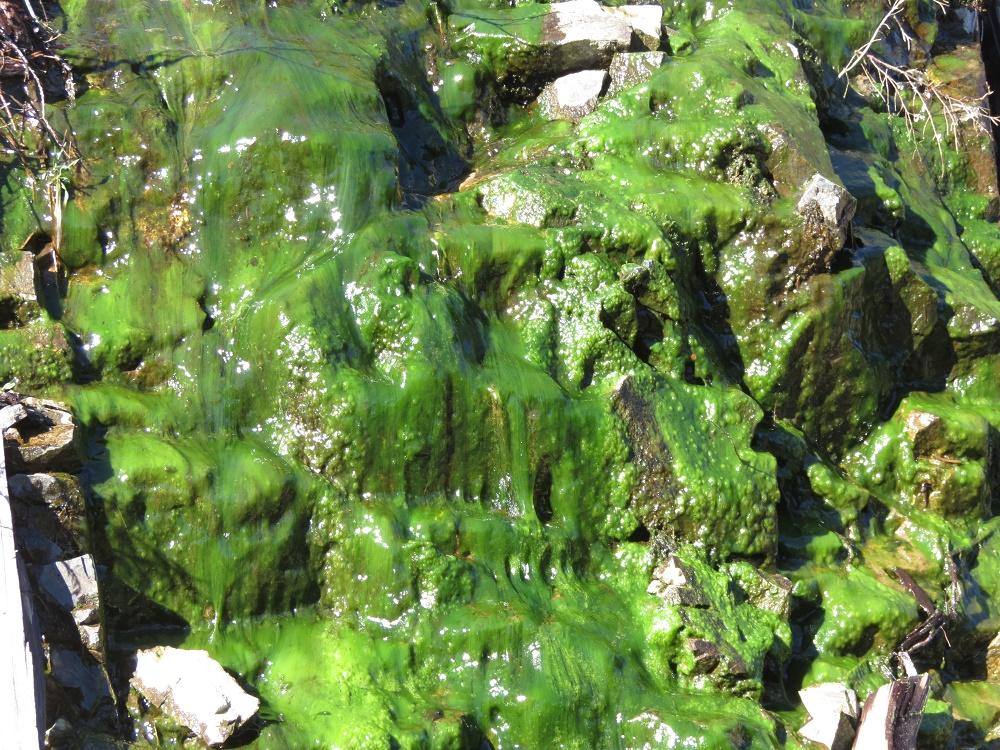
These algae are common in areas where light is abundant, such as shallow water and tide pools. They are less common in the marine world than brown and red algae, but they thrive in freshwater systems. Like other algae, these algae serve as an important food source for herbivorous marine life, such as fish, crustaceans, and gastropods such as moon snails.
The pigment beta-carotene, found in these algae, is used as a food colouring and also has benefits as a cancer treatment. Green algae could play a role in reducing global warming. As sea ice melts and iron is introduced to the ocean. This fuels the growth of algae, which absorb carbon dioxide, and this could help reduce the effects of global warming.