

After taking on Jen and Steve, a full-time work position came up, and I was offered an interview to be held in a couple of weeks. I was newly married, and the thought of being a union member appealed to me. I would be on a salary, and that means a more stable paycheck. I told them that I was very interested.
Just before my interview was coming up, Jen and Steve came down with chickenpox, their dad asked us if we had already dealt with this when we were kids, and we both said yes. I seemed to remember having them, but apparently, I was wrong, and I came down with it a few days before my interview.
On the day of my interview, I had pox scabs all over my body and a temperature of 103. I did not want to miss my interview, though, so off I went, kinda delirious, sweat pouring off my forehead, and looking like hell. After one look at me, they took me into a boardroom with a long table, told me to sit at one end, and they sat at the other end. They fired a couple of questions off to me and then said if I was willing to come in as sick as I was for the interview, the job was mine. Then, they sent me home to heal before beginning my new job.
Over the next few years, I worked for the various forestry divisions, first with the silver culture division, where I learned how to lay out plots, do pre-harvest assessments, do waste surveys and numerous other skills within this division. I took to this like a duck on water and loved the job.
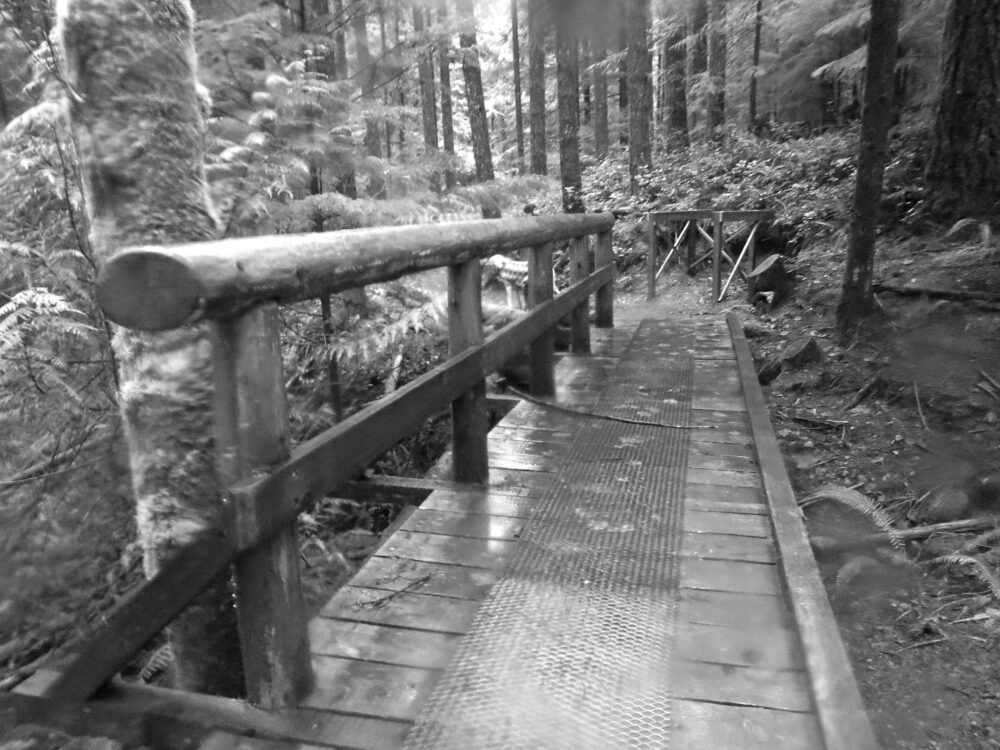
Next, I went to work for recreation, which was awesome, we would look after trails, campgrounds and repair picnic tables and outhouses. One of the great projects I got to be involved with was building the Sayward Valley Canoe Route. It was a winter project, and the trails were mostly built using canoes to access them. It was a canoe route after all. There is not much left of the original trail that we built, but it does show up here and there.
We had 2 teams of 4, and we spent 2 months building the original trail. Cutting these trails out of the forest was pretty tough work; the trails had to be big enough to allow people to move their canoes and gear through from one lake to the next safely. We did a pretty good job, but since then, it has been upgraded. I have walked sections of it and am quite impressed. On a trail that runs from Twin Lakes to Mohun Lake, we found a white pine that is the biggest I have ever seen. I mean, it was massive. The white pines that grow on the island have been dealing with a tree disease called rust, which has been affecting most of the trees on the island. This particular tree was rust-free and pretty impressive.
After working for recreation, I got the chance to work with a science officer who had a class 5 position. His name was John, and the job entailed the study of different forms of logging as well as the study of the impacts of this logging. We processed plots from different stages of forest growth, from ancient forests to fully logged settings, and recently processed. We would create a soil profile of the various layers, looking also at the mineral horizons. We looked at the microbial communities of fungi and bacteria. We listed all plant and insect species as well. I was in my glory.
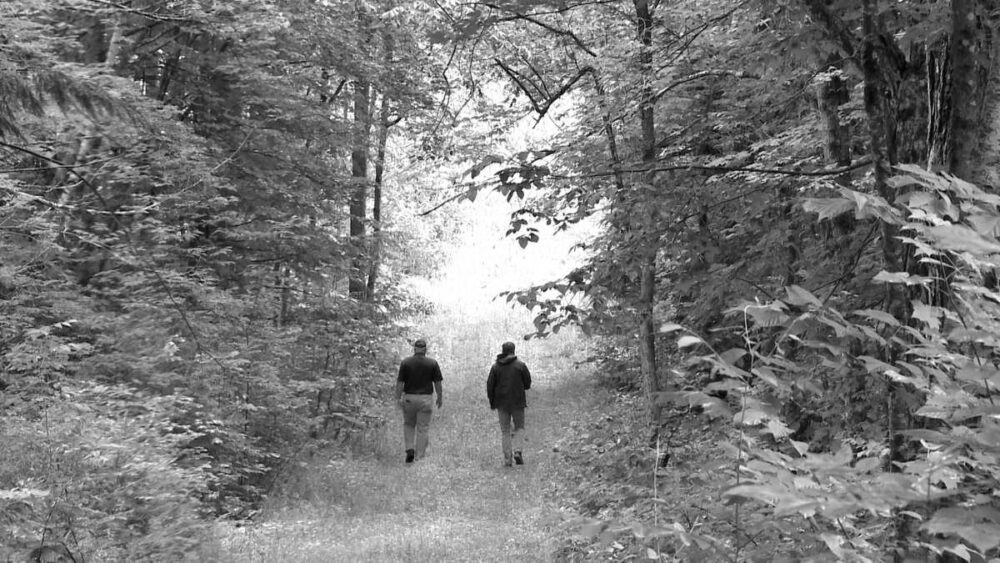
We were looking for a direct link between mycelium and tree/plant growth. John felt that this mycelium works as a super highway to transport nutrients from one tree to another. I had always believed in this as well. There were many organizations and individual scientists who were looking into it as well.
It has now been proven that mother trees help their offspring to grow. We also looked at old trees and how they are carbon sinks, holding on to vast amounts of carbon. One thing that surprised me was how stands of young trees can offset more carbon than stands of old-growth trees per square area of ground. I spent a year with John, and my interest in plant species, uses, and soil compositions and my love of fungi was born. This has always been of interest to me. I recently watched a TED talk by Susan Semard that explains how this works; it’s called How Trees Talk to Each Other. This was an amazing project to work on, and I thank John for the year of discoveries.
After working for the science division, I moved on to protection. This was a great division to work for. Because of my firefighting training and the fact that I had already worked as a faller, I was allowed to grandfather in and fall for the Forest Service. I would go into a logged area that was scheduled to be burnt and fell all snags up to 100 meters from the edge of the burn. Once we had this done, we would set a parameter hose line to catch any fire that escaped. Then we would bring in the helicopters and use the pinball system to do the burn. We would first get a big burn going near the center, then set the outer edge on fire. The main fire pulled this in towards the center, building an outer guard of burnt ground. Occasionally, we would use a truck-mounted flame thrower to get the burns done; this was cool.