
(Hemophilia)
We have at least 7 types of jumping slugs known in the Pacific Northwest, with 3 of them found on Vancouver Island. They were first discovered in 1999 on Vancouver Island.
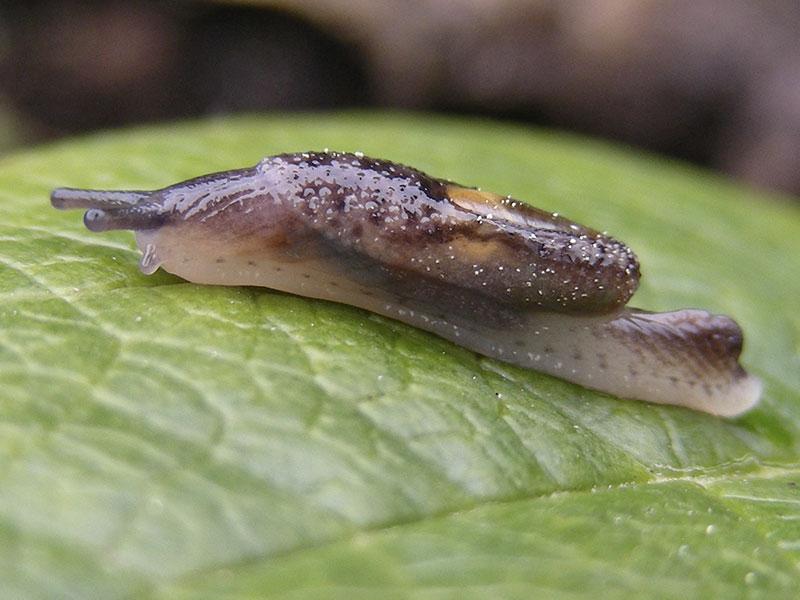
We have at least 7 types of jumping slugs known in the Pacific Northwest, with 3 of them found on Vancouver Island. They were first discovered in 1999 on Vancouver Island. They can be found hiding amidst the forest floor leaf matter. It appears that all are found in ancient forest locations that also have numerous old, large-leaf maple trees. These types of forests supply woody debris and leaf matter that are important for both habitat and oviposition areas. The areas of these forests inhabited by jumping slugs are usually located within the fog belt, where moisture is constant.
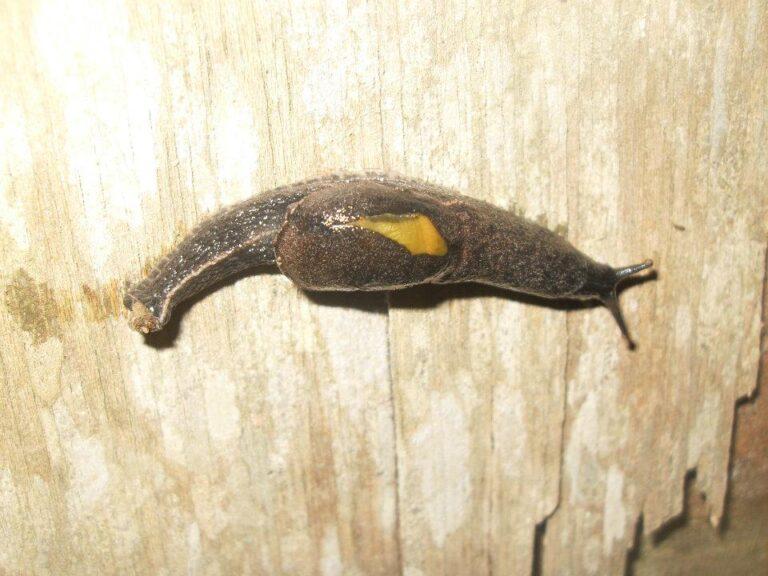
Are they jumping slugs? Are they even slugs? They are called semi-slugs as they are neither slugs nor snails but are somewhere between the two. They have a hump on their back that covers a sort of snail shell. On the Dromedary Slug, you can see the yellow inner shell through a slit in its hump. Do they jump? They can wriggle off a tree and fall to the ground to evade being eaten, and that is the keyword. Wriggle. They can wriggle in a fast sort of flip-flopping dance and can even achieve getting some air. These little creatures of the forest rarely reach 30 mm in size, although there has been an unconfirmed recording of a dromedary slug in the 60 mm range.
The range of these jumping slugs runs from southern Vancouver Island to Western Washington. On Vancouver Island, there have been 6 locations of confirmed sightings found so far, but as we have only begun to study these slugs, I am convinced that they will be found in more localities. These slugs are red-listed and are not found anywhere else on the planet.